
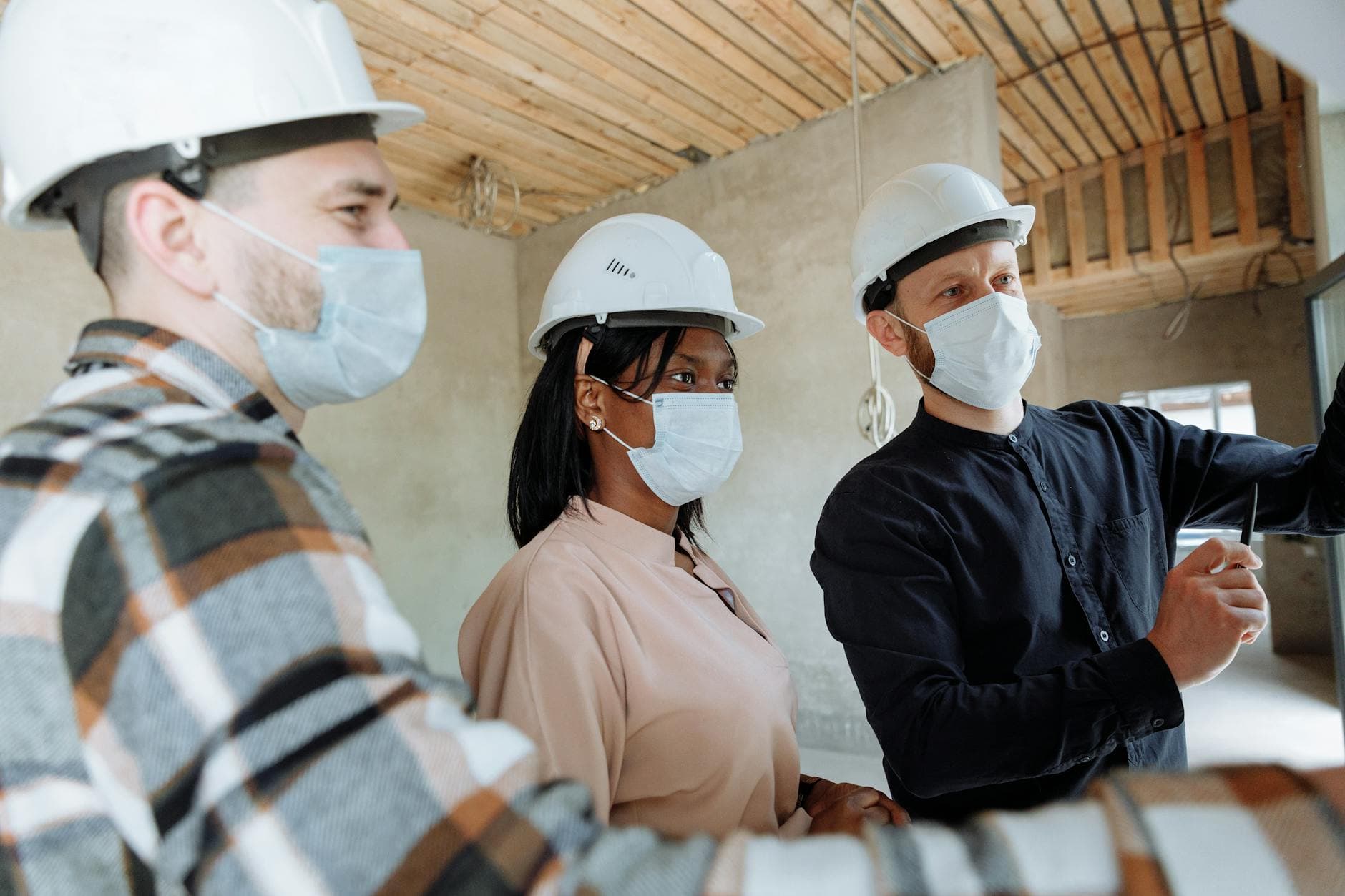
DOL Scrutiny Intensifies: Prioritizing Workplace Safety and Compliance
The Department of Labor (DOL) is increasing its enforcement efforts across various industries, sending a clear message: workplace safety and fair labor practices are non-negotiable. Recent cases highlight the severe consequences of neglecting these critical areas, ranging from hefty fines and legal repercussions to, most tragically, employee injury and loss of life. For HR professionals maintaining their HRCI or SHRM credentials, understanding and addressing these issues is vital for risk management and compliance.
A recent example underscores this urgency: the DOL cited a Florida roofing company, Max Home Services LLC (operating as Pasat Roofing and Solar Energy), for safety violations after a worker suffered fatal injuries and another was seriously injured in a fall. OSHA’s investigation revealed the company willfully exposed employees to safety hazards by failing to provide adequate fall protection. This resulted in significant penalties and serves as a stark reminder of the importance of proactive safety measures, particularly in high-risk industries.
But the DOL’s focus extends beyond physical safety. Another case involves a New Mexico-based inspection company, Legacy Energy and Distribution LLC, that wrongfully terminated an inspector who raised safety concerns during a gas pipeline installation. The DOL ordered the company to reinstate and compensate the worker, demonstrating its commitment to protecting whistleblowers who report potential violations.
Furthermore, the DOL is actively addressing wage and hour violations. An Oregon restaurant, Taste of India 1, was found to have misclassified employees as exempt, failed to pay overtime, and operated an invalid tip pool. The investigation resulted in the recovery of $200,000 in back wages for 19 workers. This highlights the need for employers to accurately classify employees, adhere to overtime regulations, and ensure fair tip distribution practices.
Implementing Robust Safety Programs
The DOL’s increased scrutiny necessitates a comprehensive review and strengthening of workplace safety programs. This includes:
- Risk Assessment: Conduct thorough risk assessments to identify potential hazards in the workplace. This should involve a systematic evaluation of all tasks and activities, considering factors such as equipment, environment, and employee training.
- Fall Protection: For industries involving work at heights, implement robust fall protection measures. This includes providing appropriate safety equipment (e.g., harnesses, guardrails, safety nets), ensuring proper equipment inspection and maintenance, and conducting regular training on fall prevention techniques.
- Training and Education: Provide comprehensive training to all employees on safety procedures, hazard recognition, and emergency response. Training should be tailored to the specific risks associated with their job roles and should be regularly updated to reflect changes in regulations or best practices.
- Regular Inspections: Conduct regular workplace inspections to identify and address potential safety hazards. Inspections should be documented, and corrective actions should be taken promptly to mitigate risks.
- Enforcement and Accountability: Establish clear safety policies and procedures and enforce them consistently. Hold employees accountable for adhering to safety rules and provide appropriate disciplinary action for violations.
- Whistleblower Protection: Create a safe and confidential environment for employees to report safety concerns without fear of retaliation. Investigate all reports thoroughly and take appropriate action to address any identified issues.
Remember to review your organization’s safety protocols, particularly fall protection if applicable. Ensure thorough training, regular inspections, and strict enforcement. A proactive approach to safety not only protects your employees but also shields your company from hefty fines and potential legal repercussions.
Ensuring Fair Labor Practices
In addition to safety, HR professionals must also focus on ensuring fair labor practices. This includes:
- Accurate Employee Classification: Properly classify employees as either exempt or non-exempt under the Fair Labor Standards Act (FLSA). Misclassification can lead to significant wage and hour violations.
- Overtime Compliance: Pay non-exempt employees overtime at a rate of one and a half times their regular rate of pay for all hours worked over 40 in a workweek. Track employee hours accurately and ensure that overtime is properly calculated and paid.
- Tip Pooling Regulations: Understand and comply with federal and state regulations regarding tip pooling. Ensure that tips are distributed fairly and that employers do not retain any portion of employee tips.
- Wage and Hour Audits: Conduct regular wage and hour audits to identify and correct any potential compliance issues. This can help prevent costly lawsuits and penalties.
- Recordkeeping: Maintain accurate and complete records of employee hours worked, wages paid, and other relevant information. This is essential for demonstrating compliance with labor laws.
Staying up-to-date on evolving labor laws and regulations is crucial. Consider utilizing resources like RecertifyHR to stay informed and earn recertification credits for your HRCI or SHRM credentials. RecertifyHR offers a wide range of courses, including a free course at https://recertifyhr.com/free-course/, to help you maintain your expertise in HR compliance. Check out the available courses and pricing options.
What This Means for HR Professionals
The DOL’s increased enforcement activity has significant implications for HR professionals:
- Increased Liability: HR professionals play a critical role in ensuring compliance with safety and labor laws. Failure to do so can result in significant liability for both the organization and individual HR professionals.
- Reputational Risk: Safety violations and labor law breaches can damage an organization’s reputation, making it difficult to attract and retain employees.
- Talent Acquisition Challenges: A poor safety record or a history of labor law violations can deter potential candidates from joining the organization.
- Need for Proactive Compliance: HR professionals must take a proactive approach to compliance, rather than simply reacting to violations after they occur. This includes implementing robust safety programs, conducting regular audits, and providing ongoing training to employees and managers.
- Strategic Importance of HR: These increased enforcement efforts elevate the strategic importance of the HR function. HR professionals are now more critical than ever in mitigating risk, protecting employees, and ensuring the long-term success of the organization.
Effective HR leadership requires a deep understanding of legal requirements and a commitment to creating a safe and fair workplace. This not only protects the organization but also fosters a positive employee experience, leading to increased productivity and engagement.
Key Takeaways
- The Department of Labor is actively enforcing workplace safety and labor laws, resulting in significant penalties for non-compliance.
- HR professionals must prioritize the implementation of robust safety programs, including risk assessments, fall protection measures, and comprehensive training.
- Ensuring fair labor practices, such as accurate employee classification and overtime compliance, is crucial to avoid wage and hour violations.
- Proactive compliance, regular audits, and ongoing training are essential for mitigating risk and protecting employees.
- Resources like RecertifyHR can help HR professionals stay informed and maintain their HRCI or SHRM credentials.