FLSA Compliance
The FLSA Compliance intensive tackles the wage-and-hour traps that routinely trigger multimillion-dollar settlements. The instructors frame the Fair Labor Standards Act as a three-part test that must be satisfied in...
1.25 Credits
1 Lessons
1 Quiz
Get unlimited access
$250
per year
Includes 1.25 credits in this course — plus 88 courses with 121 credit hours total
Course Overview
The FLSA Compliance intensive tackles the wage-and-hour traps that routinely trigger multimillion-dollar settlements. The instructors frame the Fair Labor Standards Act as a three-part test that must be satisfied in full before an employer can treat someone as exempt from overtime: salary level, salary basis, and primary duties. Miss even one element and the exemption collapses, no matter what the job title says. The salary level threshold is the easy number to memorize—$684 per week, or $35,568 per year, under the current federal rule—but the course reminds listeners that states such as California, Washington, and New York impose higher bars that override the federal minimum. The highly compensated employee shortcut, currently $107,432 per year, is also dissected so HR leaders understand when they can rely on a relaxed duties test and when they cannot.
Salary basis emerges as the hidden land mine. Exempt employees must receive their full salary for any week in which they perform work, regardless of the number of days or hours logged. Docking the pay of an exempt engineer who leaves two hours early for a medical appointment—unless they have available PTO to substitute—destroys the exemption for that employee and potentially for every employee subject to the same policy. The discussion makes clear that one errant manager can create an enterprise-wide liability. The safe harbor provision is the organization’s only chance to salvage the exemption after an improper deduction. To invoke it, the employer must have a clearly communicated written policy prohibiting improper deductions, promptly reimburse affected employees, and demonstrate a good-faith plan to prevent a repeat violation. Skip any step and the safe harbor evaporates, leaving the employer on the hook for back wages and overtime.
The duties tests receive equally rigorous treatment. The executive exemption applies only when the employee’s primary duty is managing the enterprise or a department, when they routinely direct the work of at least two full-time equivalents, and when they possess real input into hiring, firing, promotion, or other status changes. Working supervisors who spend most of the day stocking shelves fail this test no matter how their job descriptions read. The administrative exemption is presented as the most litigated because it requires the exercise of discretion and independent judgment on matters of significance; processing transactions by rote or following detailed scripts does not qualify. The learned and creative professional exemptions cover roles requiring advanced knowledge or originality—think attorneys, CPAs, scientists, musicians—while the course notes the special compensation rules that allow certain computer professionals to be paid hourly at no less than $27.63. Throughout the duties section the faculty stress that enforcement agencies focus on what employees actually do, not what their titles imply.
From there, the instructors quantify the cost of misclassification. If a payroll clerk is treated as exempt but should have been non-exempt, a single complaint can open a Department of Labor audit or a class action that reaches back two years, or three if the violation is deemed willful. Back wages are just the start; liquidated damages under the FLSA normally double the unpaid amounts, and plaintiff attorneys are entitled to fees. The transcript calls out how quickly the numbers escalate: reclassifying 200 analysts can create liability for overtime, penalties, and legal fees that crest into the millions. Criminal penalties for willful violations are rare but not impossible, reinforcing the need for proactive audits led by counsel so findings can be shielded by privilege while corrective action plans are developed.
The course then zeros in on calculating lawful pay for non-exempt employees, a task that sounds straightforward until multiple rates, bonuses, and fluctuating schedules enter the picture. The “regular rate of pay” must capture all remuneration that is not specifically excluded by statute—meaning nondiscretionary bonuses, shift differentials, and incentive payments typically need to be factored into overtime. The instructors dedicate time to the weighted-average, or blended-rate, calculation used when an employee works two different jobs in the same week at different hourly rates. HR must total straight-time earnings across all rates, divide by the total hours worked to find the blended regular rate, and then pay an additional one-half of that rate for every hour over forty because the straight-time component is already baked into wages. Choosing the higher rate, the lower rate, or the rate attached to the overtime hours is expressly forbidden, and the Department of Labor frequently finds these mistakes during audits.
Time that counts as “hours worked” creates a second category of exposure. Drawing on the Supreme Court’s Integrity Staffing Solutions v. Busk decision, the instructors explain that pre- and post-shift activities are compensable only when they are integral and indispensable to the employee’s principal duties. Donning specialized PPE in a meat-processing plant or powering up mission-critical equipment meets that standard; ordinary clothing changes or generic security screenings typically do not, thanks to the Portal-to-Portal Act. Nevertheless, the course advises employers to capture all required activities in policies and timekeeping systems, because inconsistent practices across facilities are prime evidence in class actions alleging off-the-clock work.
Enforcement trends and remediation close out the discussion. The Department of Labor has been candid about targeting industries with widespread misclassification—technology, hospitality, health care, and logistics among them. Investigators begin with document requests: payroll records, timecards, policy manuals, and proof of safe-harbor notices. Employers that treat wage-and-hour compliance as a once-a-year audit are most likely to stumble. The faculty urge HR leaders to run internal classification reviews, manager training, and payroll spot checks on a cadence that matches business growth. When issues surface, the advice is to calculate arrears, pay them voluntarily, and then remediate policies and systems before an investigator dictates the solution. The goal is building a culture where salaried status is earned through true exemption criteria and hourly status carries no stigma, ensuring that the organization complies with the FLSA while retaining the trust of its workforce.
Course Curriculum
1 lesson1Lesson 1: FLSA Compliance
Knowledge Check1 Quiz
What You'll Learn
- Comprehensive coverage of key HR concepts
- Practical applications and real-world scenarios
- Best practices and compliance requirements
Course Completion Award
Certificate of Completion
Downloadable PDF certificate
Categories
HR (General)
Ready to earn your recertification credits?
Get unlimited access to this course — included in the $250/year Annual Pass with 88 courses.
Related courses
Browse all courses → ADA and Reasonable AccommodationHR Recertification Course
AudioHR (General)
ADA and Reasonable Accommodation
1.25 credits · ~1.25 hrsView →
Self-PacedHR (General)
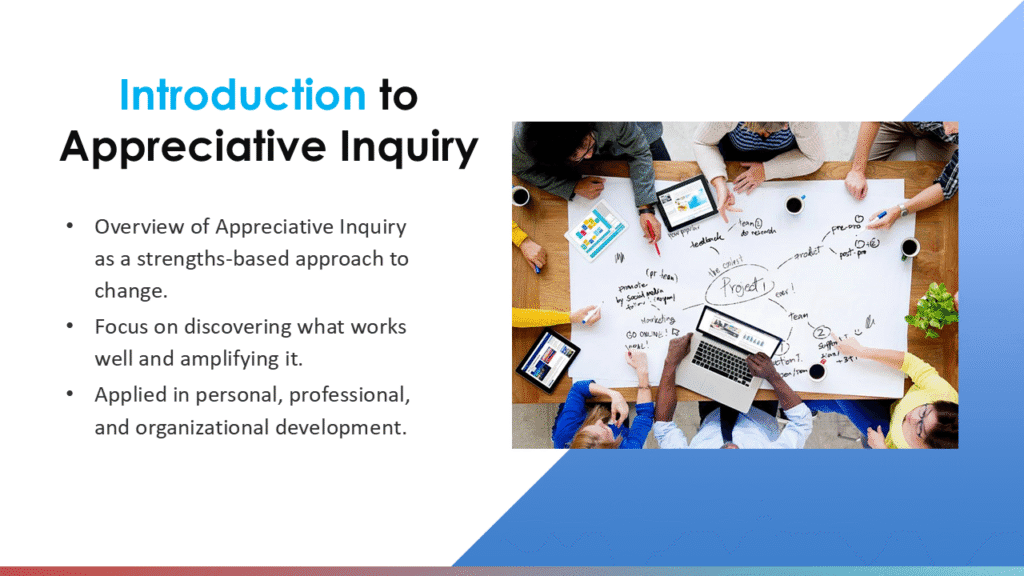
Appreciative Inquiry
1.75 credits · ~1.75 hrsView →
Compensation FundamentalsHR Recertification CourseAudioHR (General)
Compensation Fundamentals
1.5 credits · ~1.5 hrsView →
Self-PacedHR (General)
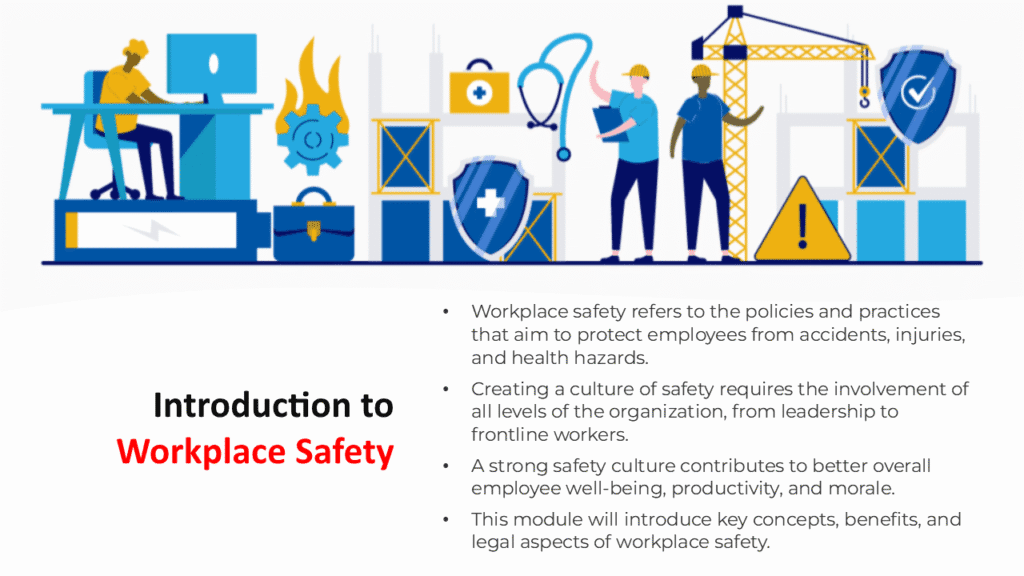
Creating a Culture of Workplace Safety
1.75 credits · ~1.75 hrsView →