HRIS Implementation
The HRIS Implementation module presents human capital technology as the operating system that powers modern, analytics-driven HR. Rather than dwelling on vendor feature lists, the instructors focus on the strategic...
1 Credits
1 Lessons
1 Quiz
Get unlimited access
$250
per year
Includes 1 credits in this course — plus 88 courses with 121 credit hours total
Course Overview
The HRIS Implementation module presents human capital technology as the operating system that powers modern, analytics-driven HR. Rather than dwelling on vendor feature lists, the instructors focus on the strategic disciplines required to design, launch, and sustain a platform that executives can trust. The session opens by reframing HR’s mission: move from administrative task execution to a data-powered business partner that speaks in financial outcomes. The only way to make that leap is by curating clean data, automating repeatable workflows, and building dashboards that tie people metrics to the organization’s balanced scorecard.
Data integrity is the foundation. Before configuration begins, HR must inventory every source of people data—applicant tracking, payroll, benefits, learning, performance—and determine how records will be standardized, cleansed, and de-duplicated. The course borrows the metrics hierarchy (metric → analytics → KPI) to emphasize that raw counts mean little if the underlying data is inaccurate. Descriptive metrics such as headcount or turnover only gain value when diagnostic capabilities are in place to segment trends by manager, function, or location. Implementation teams therefore map each data element to its business purpose, define ownership, and establish governance routines that monitor accuracy post go-live. This discipline prevents the classic failure mode in which predictive ambitions crumble because the data lake is polluted.
The instructors position the metrics maturity model as the roadmap for implementation phases. Level one (descriptive) and level two (diagnostic) reporting are table stakes—compliance dashboards, headcount reconciliations, turnover analysis by segment. Implementation success is measured by how quickly the organization can climb to level three (predictive) and level four (prescriptive). The transcript illustrates this ascent with a “flight-risk indicator” that fuses performance ratings, compensation comparatios, training participation, and tenure to forecast which high-value employees might resign. The HRIS must therefore support cross-functional data integrations, advanced analytics tooling, and role-based dashboards. Level four capability is achieved when the system not only predicts resignations but triggers targeted actions—prompting a manager to assign a mentor, recommend a retention bonus, or adjust span of control.
Change management receives extensive attention because adoption determines ROI. The presenters insist that every metric in the HRIS should pass a “five-second executive test”: can a leader glance at a dashboard and instantly grasp the story and the recommended action? Achieving this clarity requires persona-based design, iterative user testing, and storytelling skills. Implementation teams develop training artifacts that go beyond button clicks; they teach managers why structured interview scores must be entered consistently, how compa ratio dashboards help them budget merit increases, and why late approvals erode data integrity. Continuous reinforcement—office hours, digital nudges, executive showcases—ensures that workflows become habitual rather than aspirational.
Financial modelling is embedded throughout. The module highlights human capital ROI (HCROI) as the signature equation for proving system value: (Revenue − Operating Expense + Compensation & Benefits) ÷ Compensation & Benefits. Implementation teams build pre- and post-launch baselines for HCROI, cost-per-hire, time-to-fill, and turnover cost. When the new system accelerates onboarding or reduces agency spend, those gains appear in the ROI dashboard, arming HR with the financial narrative executives expect. The same technique quantifies automation wins—an employee self-service workflow that eliminates manual address changes can be translated into hours saved and redeployed to strategic initiatives.
Compensation analytics feature prominently because they showcase how the HRIS safeguards compliance and equity. The instructors walk through comparatio (employee salary ÷ range midpoint) as a diagnostic tool that the system should calculate automatically. Dashboards flag green-circled employees (below range minimum) and red-circled employees (above range maximum), enabling HR to prioritize equity adjustments, lump-sum awards, or structural range updates. Pay compression and inversion analytics are embedded in merit cycle workflows so managers cannot finalize increases without seeing the downstream risk. As pay transparency laws proliferate, these system-generated insights become the organization’s first line of defense in explaining why offers sit at a certain point in the range.
Data governance and security are non-negotiable. The course warns that predictive dreams die quickly if data access is a free-for-all. Implementation teams must configure granular permissions, audit trails, and segregation-of-duties controls to protect sensitive medical, compensation, and performance information. Governance councils meet regularly to review data quality scorecards, approve schema changes, and ensure that integrations with finance or third-party benefits providers remain stable. These practices transform the HRIS from a static repository into a living compliance engine ready for audits, litigation holds, or regulatory reporting.
Integration strategy differentiates successful rollouts. The instructors caution against leaving shadow systems untouched; payroll, finance, learning, and applicant tracking tools must exchange data seamlessly to avoid rekeying and reconciliation errors. APIs or ETL pipelines handle nightly syncs, while middleware enforces validation checks before records post. The system is configured to surface exceptions—mismatched job codes, missing social security numbers—so data stewards can intervene quickly. When integrations are robust, downstream analytics like turnover cost by manager or diversity ratios by job family become trustworthy inputs to strategic planning.
Finally, the module connects HRIS capability to continuous improvement. Balanced scorecards, featuring financial, customer, internal process, and learning/growth perspectives, are embedded directly in dashboards. Leading indicators (e.g., onboarding tasks completed on time, manager adoption of structured interview forms, usage of employee self-service) sit alongside lagging indicators (e.g., turnover, quality of hire, pay equity results). Implementation teams schedule quarterly retrospectives to refresh KPIs, retire obsolete reports, and incorporate user feedback. Predictive models are monitored for drift; if flight-risk accuracy drops, HR re-examines data sources or re-trains the algorithm.
In sum, the HRIS Implementation module shows that technology success hinges on disciplined data foundations, a maturity-oriented analytics strategy, rigorous governance, and relentless change management. When executed well, the platform becomes the connective tissue of strategic HR—translating people data into financial impact, ensuring compliance, and equipping leaders with actionable insights in real time.
Course Curriculum
1 lesson1Lesson 1: HRIS Implementation
Knowledge Check1 Quiz
What You'll Learn
- Comprehensive coverage of key HR concepts
- Practical applications and real-world scenarios
- Best practices and compliance requirements
Course Completion Award
Certificate of Completion
Downloadable PDF certificate
Categories
HR (General)
Ready to earn your recertification credits?
Get unlimited access to this course — included in the $250/year Annual Pass with 88 courses.
Related courses
Browse all courses → ADA and Reasonable AccommodationHR Recertification Course
AudioHR (General)
ADA and Reasonable Accommodation
1.25 credits · ~1.25 hrsView →
Self-PacedHR (General)
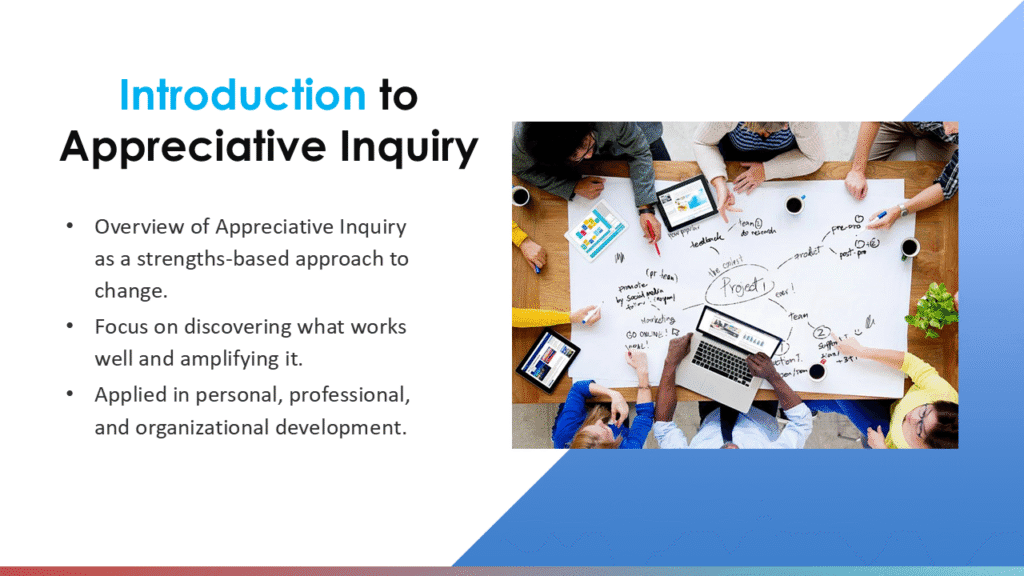
Appreciative Inquiry
1.75 credits · ~1.75 hrsView →
Compensation FundamentalsHR Recertification CourseAudioHR (General)
Compensation Fundamentals
1.5 credits · ~1.5 hrsView →
Self-PacedHR (General)
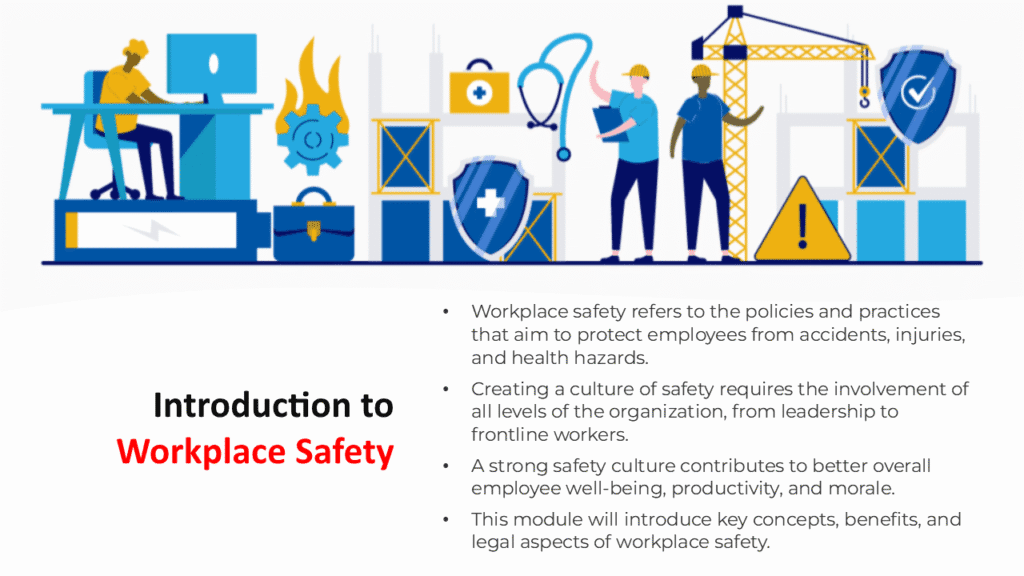
Creating a Culture of Workplace Safety
1.75 credits · ~1.75 hrsView →