Performance Management Systems
The Performance Management Systems course recasts performance management as an analytics-driven, compliance-sensitive framework rather than an annual HR ritual. The instructors emphasize that modern certification exams—and executive teams—expect HR leaders...
1.25 Credits
1 Lessons
1 Quiz
Get unlimited access
$250
per year
Includes 1.25 credits in this course — plus 88 courses with 121 credit hours total
Course Overview
The Performance Management Systems course recasts performance management as an analytics-driven, compliance-sensitive framework rather than an annual HR ritual. The instructors emphasize that modern certification exams—and executive teams—expect HR leaders to move seamlessly from metrics to strategy: collecting data, deriving insight, prescribing action, and defending every decision under legal scrutiny.
The module opens by differentiating metrics, analytics, and KPIs within the context of performance management. Metrics such as average performance ratings or completion rates provide raw counts. Analytics segment those numbers—by manager, department, tenure—to uncover patterns. Key performance indicators (KPIs) anchor the data to strategic objectives: for example, tying “time to fill” to market expansion goals or tracking development-plan completion for critical roles. The presenters insist that HR must graduate from descriptive reporting to predictive and prescriptive insight. Predictive analytics forecast turnover or performance dips by modeling trends in ratings, engagement, and compensation data. Prescriptive analytics recommend remediation, such as targeted coaching, retention bonuses, or span-of-control adjustments.
Leading and lagging indicators surface repeatedly. Lagging indicators—annual turnover, grievance volume, past-year bonus payouts—describe history. Leading indicators—engagement scores, offer acceptance rates, comparatio trends, flight-risk alerts—hint at future outcomes and allow for proactive intervention. The instructors urge HR teams to include both perspectives on executive dashboards, applying the balanced scorecard framework across financial, customer, internal process, and learning/growth dimensions. Executive decision-making is expected to pass the “five-second” absorption test: data visualization must make the narrative and recommended action immediately obvious.
Evaluation methodologies from training and talent development are folded into the system. Borrowing from the Kirkpatrick model, the course walks through reaction, learning, behavior, and results levels to prove the ROI of development plans and coaching. Human capital ROI (HCROI) is presented as the financial bridge—calculating (revenue minus non-people operating costs) divided by compensation and benefits—to show how performance programs convert payroll dollars into profit. The instructors advocate for isolating the monetary impact of performance interventions (for example, reduced defect rates or increased sales) to strengthen budget requests.
Calibration receives dedicated attention as the governance mechanism that keeps ratings consistent across the enterprise. Facilitated sessions bring managers together with HR and business leaders to review preliminary ratings, compare evidence, and challenge outliers. The transcript advises equipping calibrators with heat maps that juxtapose performance distributions against comparatio bands, promotion histories, and demographic data. These visual aids highlight if a particular leader routinely rates high while paying low, or if protected classes cluster in lower ratings without clear justification. Notes from calibration meetings should capture the rationale for final decisions, providing contemporaneous evidence if a discrimination claim later questions why one employee was denied a merit increase or promotion.
Technology enablement is woven through the module. Modern HRIS or talent suites should automate goal cascades, capture real-time feedback, and prompt quarterly check-ins so the process does not collapse into an annual scramble. The instructors recommend configuring workflows that block final ratings until required touchpoints—midyear reviews, documentation of coaching conversations, calibration attendance—are complete. System reminders and manager dashboards reduce administrative friction and provide HR with adoption analytics (e.g., percentage of teams completing check-ins on schedule), which function as leading indicators of overall program health. Integrations with learning platforms can automatically assign development content based on competency gaps identified during reviews.
Documentation and legal defensibility form the compliance backbone. The transcript highlights the risk of retaliation claims when performance management intersects with protected activity such as FMLA leave, ADA accommodations, or harassment complaints. HR must ensure that performance improvement plans (PIPs), coaching notes, and rating rationales pre-date protected activity or include contemporaneous evidence. The presenters underscore the importance of structured calibration sessions. These sessions reduce rating drift, ensure that like cases are treated alike, and generate written rationales that can be produced if litigation occurs. They also remind listeners that wage-and-hour rules treat mandatory performance-related training as compensable time; denial of training or removing duties without documentation can trigger disparate-impact arguments.
The module integrates performance management with adjacent HR disciplines. Compensation analytics—comparatio distributions, pay compression, red- and green-circled employees—inform performance conversations and merit budgets. Talent acquisition data—quality of hire, cost per hire, retention at one and two years—feed back into performance dashboards to ensure the hiring process delivers talent who can meet expectations. Succession planning metrics highlight roles lacking bench strength; performance management inputs determine who enters development pipelines and who receives accelerated experiences.
Governance and communication close the loop. The instructors recommend publishing performance management policies that delineate goal-setting cycles, feedback cadence, documentation standards, and dispute processes. They champion data storytelling: pairing quantitative dashboards with concise narratives so executives grasp the “what/so what/now what” swiftly. HR is encouraged to run adverse impact analyses on performance ratings and promotion recommendations using the four-fifths rule, mirroring the rigor applied to selection systems. This ensures that evaluation criteria remain job-related and consistent with business necessity, reinforcing defenses against discrimination claims.
Ultimately, Performance Management Systems is portrayed as a strategic operating system for the business. It connects analytics, compensation, talent development, and compliance into a single lifecycle that starts with goal alignment and ends with measurable organizational results. HR professionals who master the tools outlined in the transcript can transform performance management from an annual paperwork exercise into a continuous, data-informed dialogue that drives productivity, mitigates legal risk, and sustains enterprise agility.
Course Curriculum
1 lesson1Lesson 1: Performance Management Systems
Knowledge Check1 Quiz
What You'll Learn
- Comprehensive coverage of key HR concepts
- Practical applications and real-world scenarios
- Best practices and compliance requirements
Course Completion Award
Certificate of Completion
Downloadable PDF certificate
Categories
HR (General)
Ready to earn your recertification credits?
Get unlimited access to this course — included in the $250/year Annual Pass with 88 courses.
Related courses
Browse all courses → ADA and Reasonable AccommodationHR Recertification Course
AudioHR (General)
ADA and Reasonable Accommodation
1.25 credits · ~1.25 hrsView →
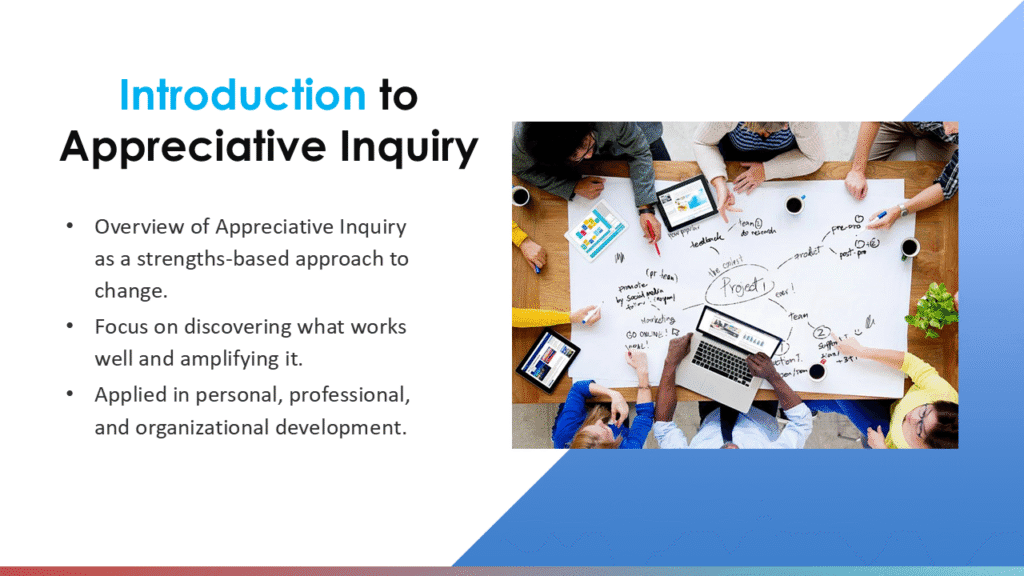
Self-PacedHR (General)
Appreciative Inquiry
1.75 credits · ~1.75 hrsView →
Compensation FundamentalsHR Recertification CourseAudioHR (General)
Compensation Fundamentals
1.5 credits · ~1.5 hrsView →
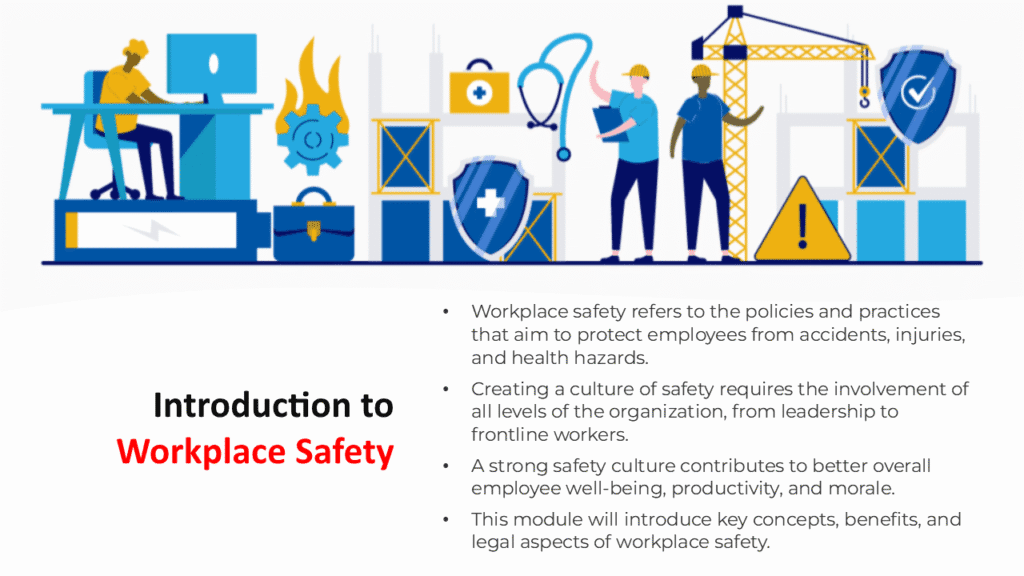
Self-PacedHR (General)
Creating a Culture of Workplace Safety
1.75 credits · ~1.75 hrsView →