Strategic Recruitment
The Strategic Recruitment deep dive reframes talent acquisition as a data-fueled, compliance-grounded engine for delivering the business strategy. The instructors open by insisting that recruiting leaders speak the language of...
1 Credits
1 Lessons
1 Quiz
Get unlimited access
$250
per year
Includes 1 credits in this course — plus 88 courses with 121 credit hours total
Course Overview
The Strategic Recruitment deep dive reframes talent acquisition as a data-fueled, compliance-grounded engine for delivering the business strategy. The instructors open by insisting that recruiting leaders speak the language of metrics, analytics, and KPIs before any sourcing tactic is discussed. A simple example sets the tone: tracking that the team interviewed 50 candidates is a metric; noticing that only 10 percent advanced to hire and that the conversion rate lags industry benchmarks is analytics; reframing time to fill for engineering roles as a KPI because market expansion depends on it shows the strategic leap senior HR must make. That distinction becomes the foundation for a metrics maturity model that pushes recruiting teams from descriptive reporting into predictive and prescriptive insight. Descriptive reporting inventories funnel volumes and days open. Diagnostic analytics segments attrition or offer declines by role family, location, or hiring manager to surface friction points. Predictive analytics blends historical performance ratings, salary comparatios, tenure, and engagement results to forecast which requisitions face the highest flight risk or offer turndown probability. Prescriptive analytics is the end game: if the model predicts a 15 percent loss of top performers in a critical unit, the recruiting organization should already be recommending retention bonuses, talent pool rebalancing, or reduced spans of control to the business.
With the analytical tier set, the course pivots to the scorecard discipline that keeps recruiting aligned with enterprise objectives. Borrowing from Kaplan and Norton’s balanced scorecard, the faculty organize acquisition metrics across four perspectives. Financial indicators capture cost-per-hire (CPH), human capital ROI, and savings from internal mobility. Stakeholder measures translate candidate and hiring manager sentiment into net promoter-style feedback that spotlights pipeline bottlenecks before they reach the executive team as complaints. Internal process metrics track time to fill, cycle time for background checks, and the velocity of requisitions across stages. Learning and growth indicators assess bench strength, succession readiness, and the upskilling necessary to supply emerging skill clusters. The message is that data storytelling must knit all four lenses together so executives can grasp the talent pipeline’s health in five seconds and understand the prescribed corrective actions just as quickly.
Cost-per-hire becomes a case study in how to operationalize that scorecard thinking. The presenters explain that every sourcing channel—agency, direct sourcing, campus, and especially employee referrals—must have its full internal and external cost profile captured. Referral programs, for example, often beat other channels by thousands of dollars because they strip away agency fees and compress recruiter labor. Yet the instructors caution against a myopic CPH obsession: a cheap pipeline that produces weak hires is simply a cost-efficient failure. Quality-of-hire becomes the counterbalance metric, triangulated with one-year performance review ratings, manager satisfaction, retention that extends past the first year, and attainment of onboarding productivity milestones. When high CPH converges with low quality-of-hire the transcript labels it “a really broken talent acquisition process,” signaling that the scorecard should flag both metrics together to trigger redesign.
Compliance rigor threads through the conversation to guard against the very risks that derail scaling efforts. The instructors remind listeners that every assessment in the funnel must clear the Uniform Guidelines on Employee Selection Procedures (UGESP). They walk through the math of the so-called “45th rule,” more commonly known as the four-fifths rule: divide hires by applicants for each protected group, calculate 80 percent of the highest selection rate, and check whether another group’s rate falls below that threshold. When adverse impact appears—such as women being hired at a 10 percent rate when men are hired at 20 percent—the employer must either halt the practice or produce a validation study that ties the test directly to job performance. That proof rests on the job analysis work emphasized elsewhere in the curriculum. The BFOQ (bona fide occupational qualification) defense is acknowledged but framed as a nearly unreachable bar limited to safety or authenticity cases like gender-specific locker room attendants or clergy. Using it to justify convenience or customer preference is a fast path to EEOC scrutiny.
The course also reinforces documentation hygiene throughout the recruiting lifecycle. Notes that explain credibility determinations during interviews, audit trails on scoring, and retention of adverse impact analyses are portrayed as essential because investigations rarely begin with a he-said-she-said; they start with document subpoenas. Recruiting leaders are coached to partner with legal counsel when redesigning assessments, to align data retention schedules with litigation holds, and to capture the business necessity rationale when a selection tool is retained despite borderline impact ratios. This legal vigilance is positioned not as bureaucracy but as the foundation that lets talent acquisition experiment with innovative sourcing without triggering lawsuits.
Throughout the session the presenters loop back to the blend of analytics and storytelling required to secure investment. Executives do not respond to a stack of charts, so recruiters must contextualize every metric: how the current CPH compares to previous quarters, whether time to fill is above or below industry peers, what quality-of-hire trends imply for customer experience or product timelines, and which prescriptive actions will shift the numbers in the desired direction. They emphasize using visual dashboards that spotlight outliers—say, a business unit whose requisitions consistently slide past SLA—and pairing those visuals with a narrative that anticipates questions about budget, risk, and speed.
Ultimately the Strategic Recruitment deep dive treats talent acquisition as an integrated subsystem of strategic HR. By grounding sourcing and selection in job analysis, scorecard logic, advanced analytics, and rigorous compliance math, the course arms recruiting leaders with the playbook they need to prove value, avoid legal pitfalls, and earn a permanent seat in workforce strategy meetings. The transcript makes clear that organizations cannot hire their way to growth through instinct or charisma; they do it through metrics discipline, validated processes, and decision science that ties every requisition back to long-term enterprise health.
Course Curriculum
1 lesson1Lesson 1: Strategic Recruitment
Knowledge Check1 Quiz
What You'll Learn
- Comprehensive coverage of key HR concepts
- Practical applications and real-world scenarios
- Best practices and compliance requirements
Course Completion Award
Certificate of Completion
Downloadable PDF certificate
Categories
HR (General)
Ready to earn your recertification credits?
Get unlimited access to this course — included in the $250/year Annual Pass with 88 courses.
Related courses
Browse all courses → ADA and Reasonable AccommodationHR Recertification Course
AudioHR (General)
ADA and Reasonable Accommodation
1.25 credits · ~1.25 hrsView →
Self-PacedHR (General)
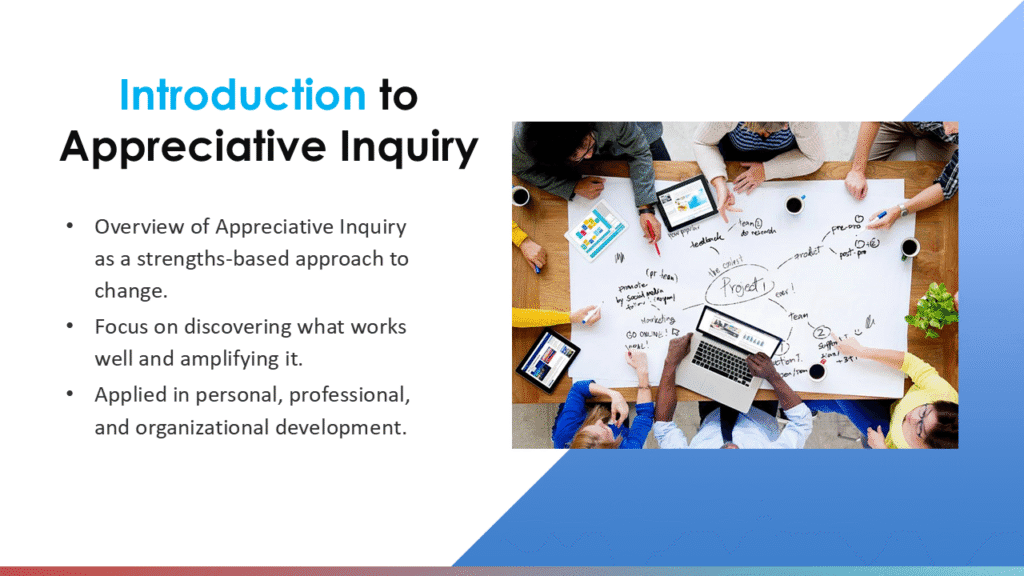
Appreciative Inquiry
1.75 credits · ~1.75 hrsView →
Compensation FundamentalsHR Recertification CourseAudioHR (General)
Compensation Fundamentals
1.5 credits · ~1.5 hrsView →
Self-PacedHR (General)
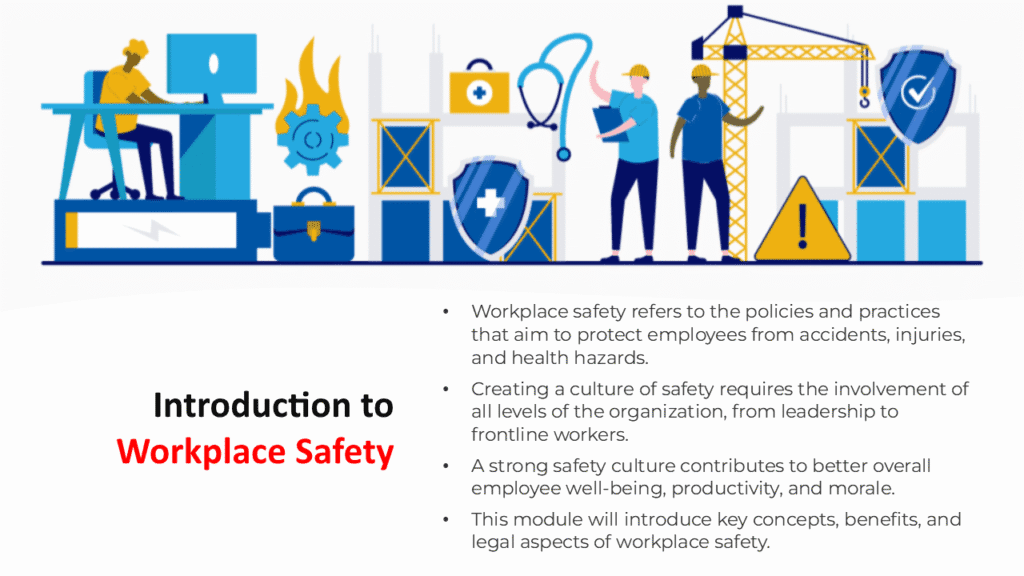
Creating a Culture of Workplace Safety
1.75 credits · ~1.75 hrsView →