Title VII and EEO
The Title VII and EEO course situates equal employment opportunity principles at the heart of strategic HR, emphasizing that compliance and analytics must work hand in hand. The instructors begin...
1 Credits
1 Lessons
1 Quiz
Get unlimited access
$250
per year
Includes 1 credits in this course — plus 88 courses with 121 credit hours total
Course Overview
The Title VII and EEO course situates equal employment opportunity principles at the heart of strategic HR, emphasizing that compliance and analytics must work hand in hand. The instructors begin by revisiting the foundational distinction between disparate treatment (intentional discrimination) and disparate impact (facially neutral practices that disproportionately harm protected groups). They remind listeners that even unintentional disparities trigger scrutiny under the Uniform Guidelines on Employee Selection Procedures (UGESP). HR leaders must therefore validate every selection device—structured interviews, cognitive tests, simulations—using job analysis outputs that document essential functions and required KSAOs. Without this foundation, defenses collapse when a plaintiff or regulator demands proof that a criterion is job-related and consistent with business necessity.
Adverse impact analysis anchors the quantitative toolkit. The presenters walk through the four-fifths (or 80%) rule: compare selection rates for each protected group to the highest rate achieved; if a group’s rate falls below 80% of the highest, potential adverse impact exists. The course illustrates how to compute selection ratios and frame the results in documentation that can survive discovery. When adverse impact appears, the burden shifts to the employer to show the procedure is valid and that no equally effective, less discriminatory alternative existed. HR must therefore maintain validation studies, vendor documentation, or internal correlation analyses that link selection scores to job performance. Regular monitoring is critical; the transcript urges HR to calculate adverse impact after each hiring cycle, promotion round, or reduction-in-force to catch disparities before litigation ensues.
Beyond selection, the instructors address other Title VII hot spots. They discuss bona fide occupational qualification (BFOQ) defenses, emphasizing how narrow they are—typically limited to authenticity or privacy considerations such as actors or attendants in gender-specific settings. Customer preference, convenience, or tradition are not defensible reasons to screen out a protected class. Recordkeeping obligations under Title VII and the EEOC regulations also feature prominently. Employers must retain hiring records, interview notes, test results, and compensation data for prescribed periods (often one year, longer if litigation or audits are pending). HRIS systems should therefore tag and archive documents automatically, ensuring that the evidence needed to defend decisions is not accidentally purged.
Harassment and retaliation defenses receive equal attention. The facilitators highlight the Supreme Court’s Faragher/Ellerth decisions, which established an affirmative defense for harassment by supervisors when no tangible employment action occurred. To invoke it, employers must show they exercised reasonable care to prevent and correct harassment (policies, training, complaint channels) and that the employee unreasonably failed to take advantage of those measures. The course underscores the need for well-publicized policies, multiple reporting avenues (HR, hotline, management chain), and documented supervisor training. Retaliation is portrayed as “charge risk number one.” HR must ensure that adverse actions following complaints, accommodation requests, or witness participation are supported by pre-existing documentation, neutral investigations, and legal review. Stray remarks, timing, and inconsistent discipline are red flags that plaintiffs’ attorneys exploit.
Analytics integrate EEO with other HR disciplines. Drawing on the metrics hierarchy discussed in earlier modules, the instructors recommend including diversity ratios, promotion rates, pay equity metrics (comparatios segmented by protected group), and complaint-resolution times in balanced scorecards. Leading indicators—like dips in engagement among protected groups or a spike in anonymous hotline reports—give advance warning. Lagging indicators—EEO complaints filed, settlements paid, adverse impact calculations—capture outcomes. Predictive analytics can flag units with succession gaps or historical bias, prompting prescriptive actions such as bias training, structured interview adoption, or calibration sessions.
The course also addresses compensation equity, especially in light of pay transparency laws. By revisiting comparatio analysis (actual pay divided by range midpoint) and regression-based pay equity studies, the instructors show how to diagnose red-circled or green-circled patterns that disproportionately affect protected groups. Compensation governance must ensure that any discretionary adjustments are documented with legitimate factors such as performance, experience, or specialized skills. Inconsistent or undocumented pay decisions quickly morph into Title VII or Equal Pay Act claims once salary ranges are public.
Finally, the module urges HR leaders to run regular EEO audits. This includes reviewing job descriptions for discriminatory language, evaluating outreach efforts to diversify applicant pools, verifying that accommodations are handled through a documented interactive process, and confirming that data retention policies preserve evidence for the required periods. The facilitators urge HR to benchmark selection outcomes by recruiter, location, and business unit to uncover localized issues, and to pair quantitative findings with qualitative interviews that reveal whether policies are being applied consistently. Partnering with legal counsel allows sensitive pay-equity or adverse-impact analyses to be conducted under privilege while remediation is underway. By aligning selection validation, adverse impact monitoring, harassment prevention, retaliation safeguards, and compensation analytics—and by embedding those practices into dashboards executives see every month—HR can transform EEO from a reactive compliance burden into a proactive component of business strategy.
Course Curriculum
1 lesson1Lesson 1: Title VII and EEO
Knowledge Check1 Quiz
What You'll Learn
- Comprehensive coverage of key HR concepts
- Practical applications and real-world scenarios
- Best practices and compliance requirements
Course Completion Award
Certificate of Completion
Downloadable PDF certificate
Categories
HR (General)
Ready to earn your recertification credits?
Get unlimited access to this course — included in the $250/year Annual Pass with 88 courses.
Related courses
Browse all courses → ADA and Reasonable AccommodationHR Recertification Course
AudioHR (General)
ADA and Reasonable Accommodation
1.25 credits · ~1.25 hrsView →
Self-PacedHR (General)
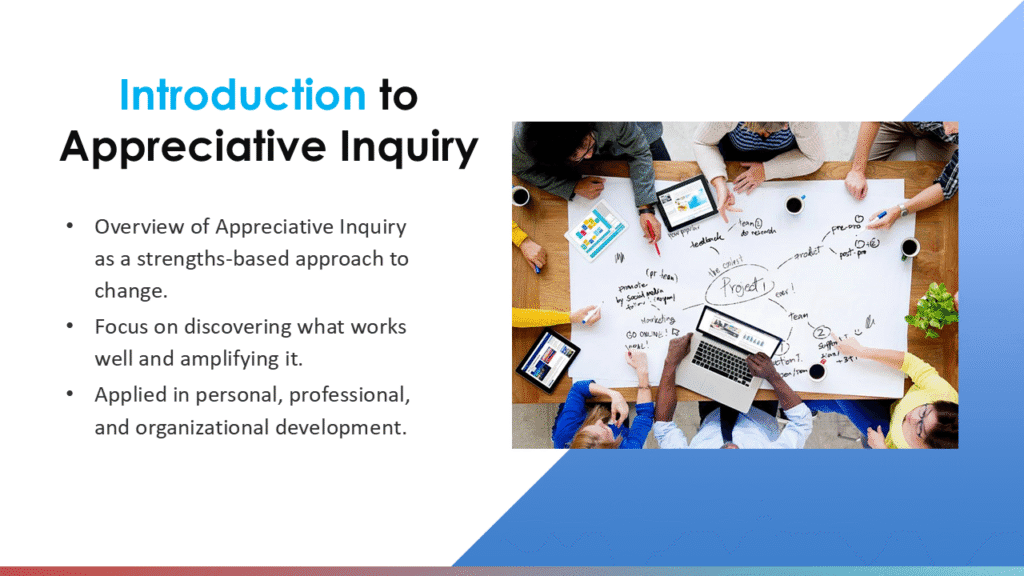
Appreciative Inquiry
1.75 credits · ~1.75 hrsView →
Compensation FundamentalsHR Recertification CourseAudioHR (General)
Compensation Fundamentals
1.5 credits · ~1.5 hrsView →
Self-PacedHR (General)
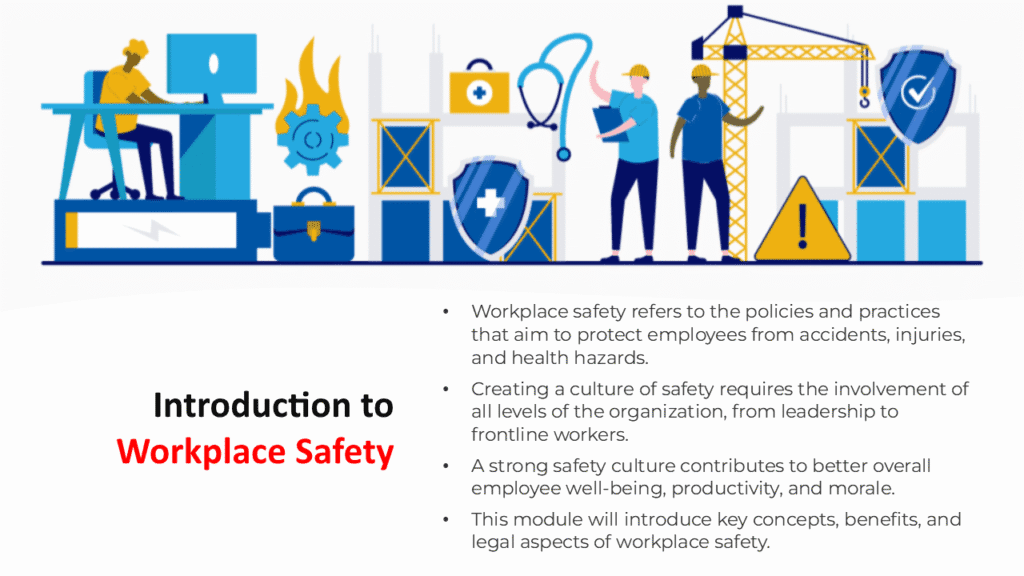
Creating a Culture of Workplace Safety
1.75 credits · ~1.75 hrsView →